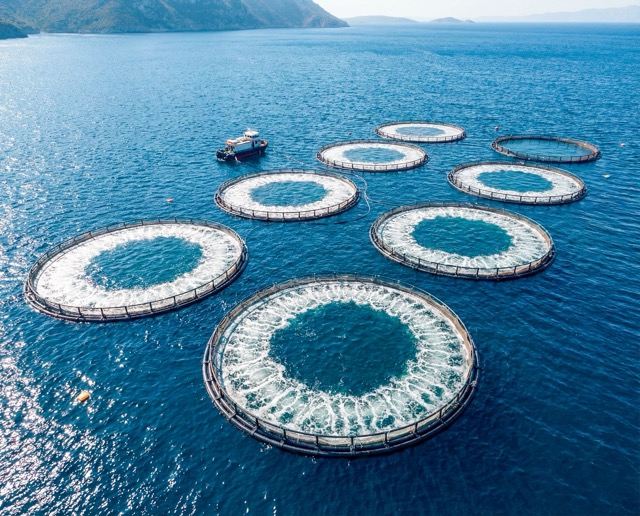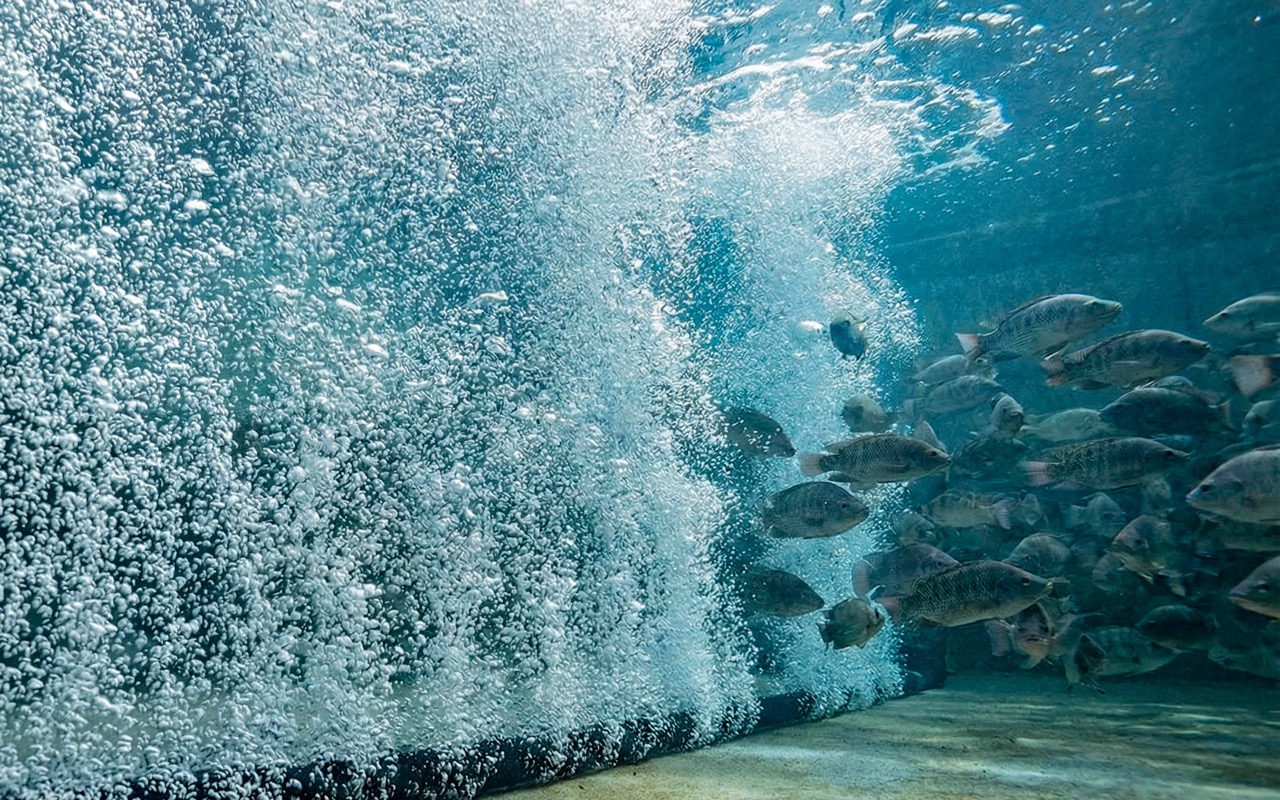
What is Aeration in Aquaculture?

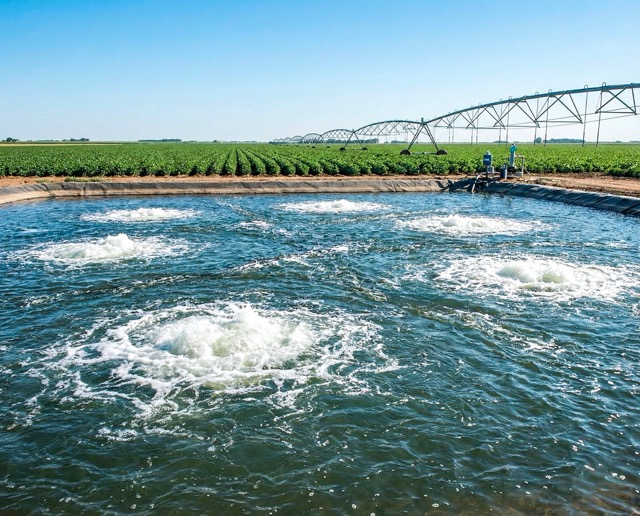
In aquaculture, aeration is a critical life-support system, far beyond simply helping fish breathe. Mechanical devices such as paddlewheels, injectors, or diffusers increase surface area, inject air, and circulate water to maintain oxygen-rich conditions throughout tanks or ponds. This ensures healthy, productive aquatic farming.

Key benefits include:
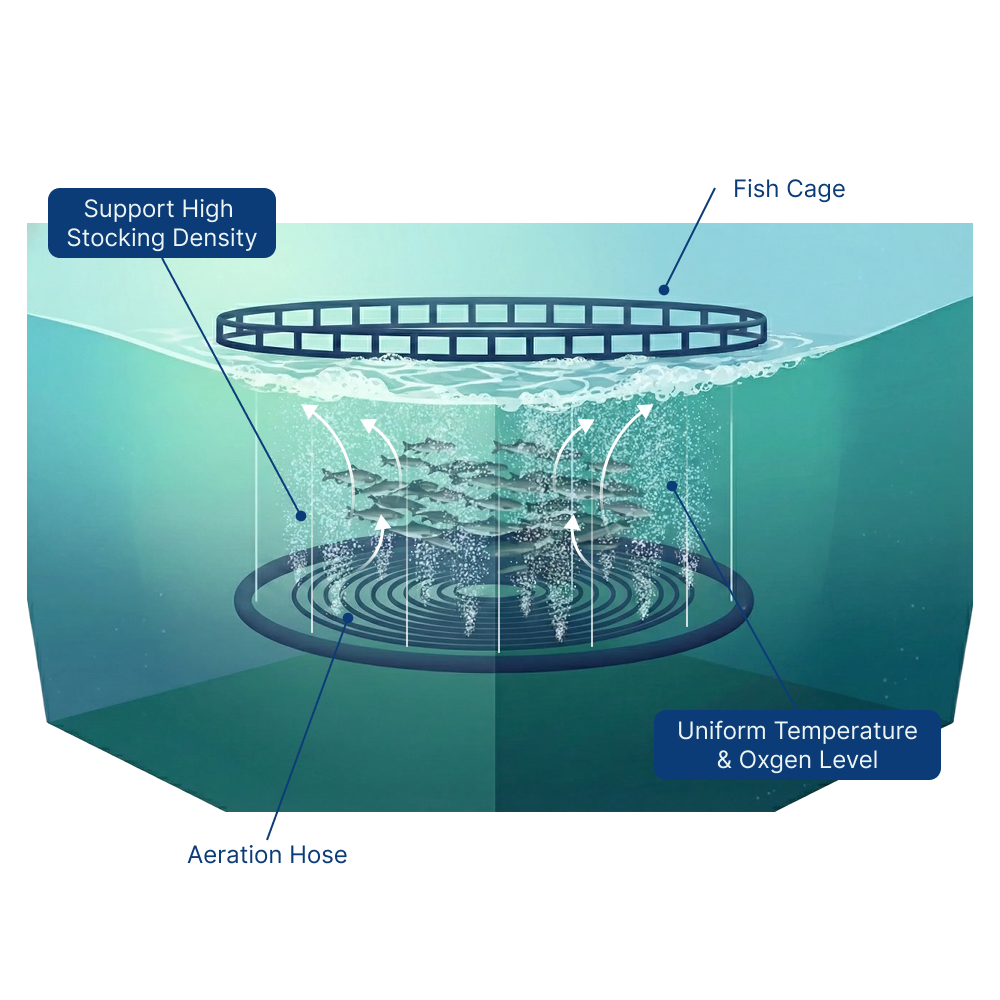
  • Supporting high stocking density by allowing more fish or shrimp per unit area.
  • Oxidizing waste on pond bottoms to prevent toxic gas buildup.
  • Stripping harmful gases like CO₂ and nitrogen from the water.
  • Maintaining uniform temperature and oxygen levels to prevent stratification.
  • Enhancing overall water quality and farm productivity.
Your Logo
Guiding Businesses To Success Our Consulting Legacy
Your Logo
Guiding Businesses To Success Our Consulting Legacy

Challenges With Existing Systems

Aeration in intensive aquaculture presents unique challenges due to high biological loads:

  • High Energy Cost: Inefficient aerators like old paddlewheels consume large amounts of electricity, reducing profitability.
  • Stress and Noise: Surface aerators generate vibration and noise, which can reduce growth rates and weaken immune function in sensitive species.
  • Equipment Failure Risks: In high-density systems, any mechanical failure can cause oxygen levels to drop rapidly, risking total crop loss.
  • Clogging & Biofouling: Nutrient-rich water promotes algae and bacteria growth on diffusers, requiring frequent cleaning or replacement.

How AeroFlux Helps

AeroFlux overcomes these challenges with innovative self-sinking diffuser hose technology, delivering oxygen efficiently throughout aquaculture tanks, cages, and ponds. Its design ensures consistent bubble distribution, reduces energy use, and minimizes mechanical risks with minimal maintenance.

Efficient Bubble Distribution

Uniform oxygen delivery lowers energy consumption compared to traditional aerators.

Anti-Clogging Performance

Self-closing apertures and specialized material surfaces resist biofouling and debris.

Safe Underwater Operation

No submerged moving or electrical parts, reducing mechanical failure risks and operational noise.

Easy Installation

Lightweight, anti-kinking hoses require no extra weights or anchoring to deploy.
Your Logo
Guiding Businesses To Success Our Consulting Legacy
Best Materials for
Aquaculture

Recommended hose materials for long-term durability in nutrient-rich aquaculture environments
Price
Life Expectancy
Temperature Range
Chemical Resistance
Weather Resistance
Biofouling Resistance
Low-Temp Flexibility
Tensile Strength
Toxicity
Recyclability

Adopt a more efficient aeration system