
AeroFlux Material Variations

Discover our patented material compositions engineered for durability, performance, and sustainability.
TPV
US9758659
Silicone
US9631079
PVC
US9758661
NBR
US9758660
PU
US9764972
SIS
US9832978
SEBS
US9896362
SBS
US9914656
EPDM
US9915390
TPV

Overview

TPV (Thermoplastic Vulcanizate) is a polymer alloy combining dynamically vulcanized EPDM rubber particles within a thermoplastic polypropylene (PP) matrix. This structure delivers the environmental durability of EPDM, including resistance to heat, UV, ozone, and chemicals, while enabling thermoplastic processing and full recyclability. TPV offers excellent elastic recovery, low compression set, and improved oil resistance compared to EPDM, making it well-suited for demanding industrial and marine environments.

Performance Highlights

  • Excellent UV, ozone, and weather resistance
  • Good resistance to oils and petroleum products
  • Low compression set with strong elastic recovery
  • Fully recyclable thermoplastic elastomer

Performance Highlights

Specialty industrial wastewater treatment

Marine and dock deicing

Marine and dock deicing

Agricultural irrigation

Agricultural irrigation

Silicone

Overview

Silicone rubber is a high-performance inorganic polymer with a polysiloxane backbone, offering unmatched thermal stability from -100°C to +250°C. It is inherently resistant to UV and ozone, hydrophobic, and low in surface energy, which reduces biofouling and enables easy cleaning. While mechanically weaker than other elastomers, silicone excels in extreme environments and sensitive applications where chemical inertness and fouling resistance are critical.

Performance Highlights

  • Exceptional thermal stability in extreme temperatures
  • Inherent UV and ozone resistance
  • Superior fouling-release, self-cleaning properties
  • Highly biocompatible and chemically inert

Performance Highlights

Laboratory water treatment systems

Specialty fish farming
Specialty fish farming

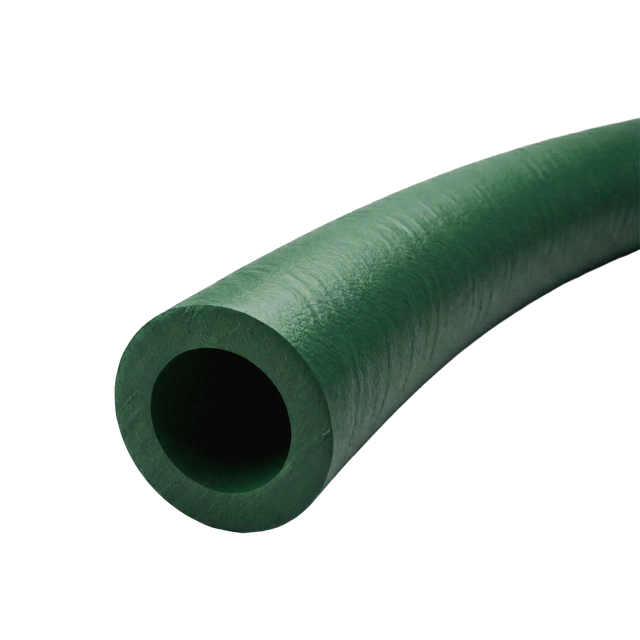
PVC

Overview

Flexible PVC (Polyvinyl Chloride) hoses are valued for their low cost, corrosion resistance, and puncture-resistant properties. While standard PVC hoses can lose flexibility over time due to plasticizer migration, which also promotes biofilm growth and clogging, AeroFlux's PVC hoses use higher-molecular-weight PVC for slower plasticizer release, supporting reliable long-distance air distribution with improved operational longevity and reduced pollution.

Performance Highlights

  • Low-cost, economical material
  • Good corrosion and chemical resistance
  • High-molecular-weight PVC reduces plasticizer migration
  • Supports long-distance even air distribution

Performance Highlights

Household pond aeration

Agricultural irrigation
Agricultural irrigation

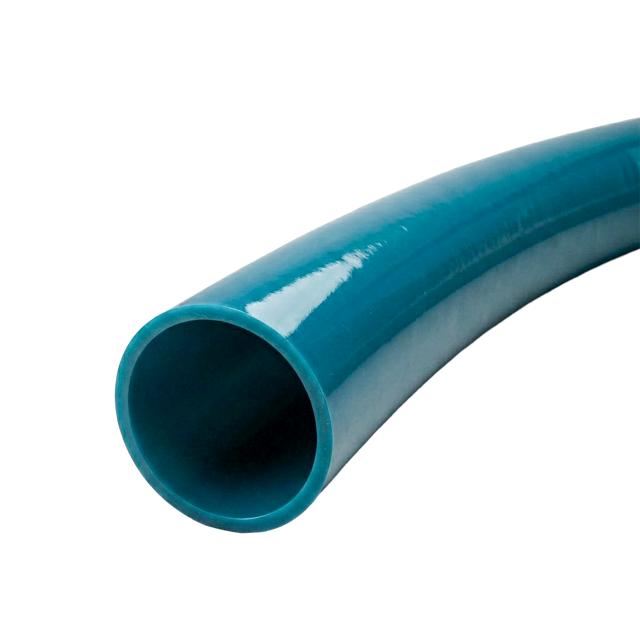
NBR

Overview

NBR (Nitrile Butadiene Rubber) is a copolymer of acrylonitrile and butadiene, prized for its outstanding resistance to oils, fuels, and greases. It also offers good water resistance, making it suitable for specific industrial wastewater applications, such as food processing. However, NBR is sensitive to UV and ozone and can become brittle at low temperatures, limiting its use to protected or submerged environments rather than outdoor exposure.

Performance Highlights

  • Excellent resistance to oils, fuels, and greases
  • Good water resistance for industrial applications
  • Durable in protected or submerged environments
  • Stable performance in oil-contaminated water

Performance Highlights

Specialty industrial wastewater treatment
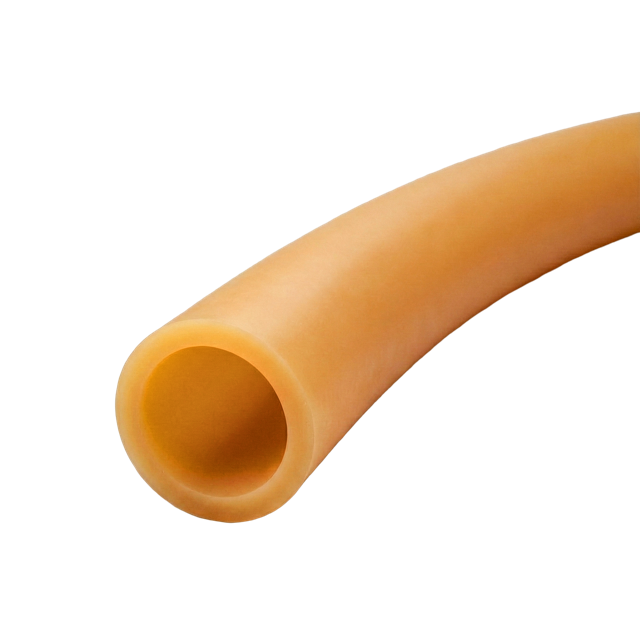
PU

Overview

Polyether-based polyurethane (PU) offers exceptional mechanical performance, with superior abrasion, tear, and cut resistance that ensures long-lasting durability under demanding conditions. It maintains hydrolytic stability and can be formulated for UV, weather, and chemical resistance. AeroFlux’s advanced PU aeration hoses feature fouling-release surfaces that shed organisms, making them ideal for applications with high physical or environmental stress.

Performance Highlights

  • Exceptional abrasion, tear, and cut resistance
  • Excellent hydrolytic stability in water
  • Feature self-cleaning, anti-biofouling surfaces
  • Maintains mechanical strength under stress

Performance Highlights

Offshore bubble curtains

Specialty high-abrasion applications
Specialty high-abrasion applications

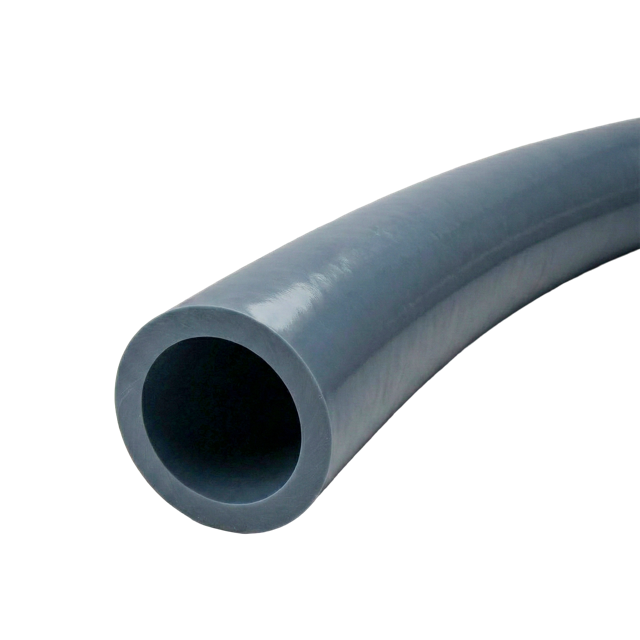
SIS

Overview

SIS (Styrene-Isoprene-Styrene) is a thermoplastic elastomer combining rubbery elasticity with thermoplastic processability. It offers high tack and adhesion, good strength, flexibility, and excellent aging resistance. Its unique stickiness allows long-length air transfer before apertures open, making it ideal for extra-long aeration hoses that ensure uniform air distribution over distances of 1000 to 2000m. SIS is also recyclable and eco-friendly.

Performance Highlights

  • High elasticity with rubber-like performance
  • Excellent tack suitable for extra-long diffuser hoses
  • Good flexibility and aging resistance
  • Recyclable and eco-friendly material

Performance Highlights

Long-distance aeration systems

Bubble curtains
Bubble curtains

SEBS

Overview

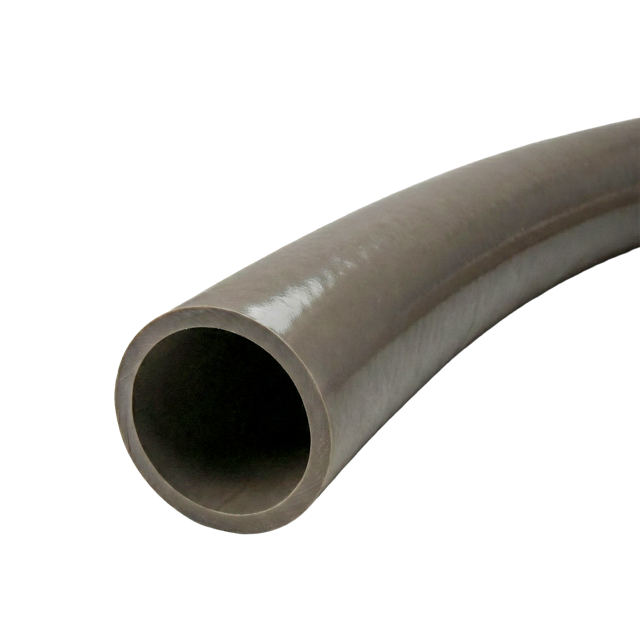
SEBS (Styrene-Ethylene-Butylene-Styrene) is a hydrogenated version of SBS, offering a chemically stable, saturated mid-block that delivers exceptional resistance to UV, ozone, weathering, and thermal degradation. It combines high elasticity, flexibility, and a soft, rubber-like feel with broad chemical resistance, biocompatibility, and eco-friendliness. SEBS is ideal for sensitive or sterilized water systems, including medical wastewater and specialty aquaculture applications.

Performance Highlights

  • Exceptional UV, ozone, and weather resistance
  • High elasticity and flexibility
  • Resistant to sterilizers and treatment chemicals
  • Eco-friendly, low toxicity, and recyclable

Performance Highlights

Medical wastewater treatment

Specialty fish farming
Specialty fish farming

SBS

Overview

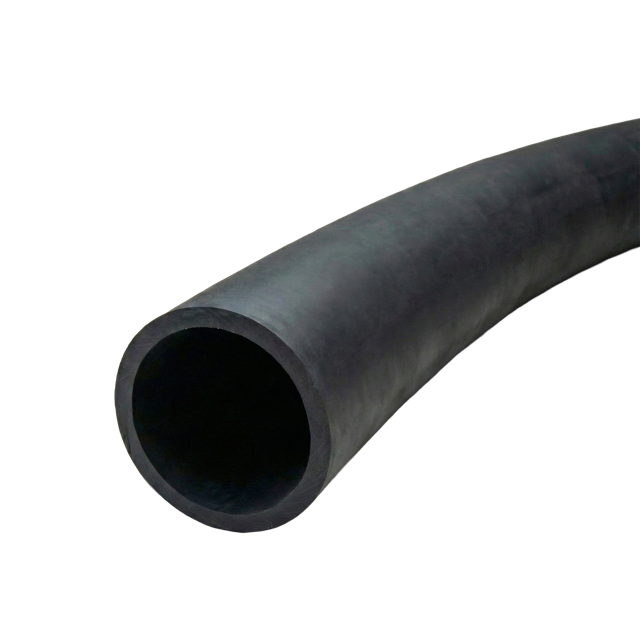
SBS (Styrene-Butadiene-Styrene) is a thermoplastic elastomer offering rubber-like elasticity with excellent abrasion resistance, good low-temperature flexibility, and high tensile strength. It tolerates high pressures, making it suitable for deep water aeration and high-air-pressure systems. Economical and low-toxicity, SBS provides an eco-friendly alternative to PVC, though it is not recommended for surface-level exposure due to poor UV and ozone resistance.

Performance Highlights

  • Rubber-like elasticity with high tensile strength
  • Excellent abrasion resistance
  • Performs under high water and air pressure
  • Low-cost and eco-friendly alternative to PVC

Performance Highlights

Lake and pond aeration
EPDM

Overview

EPDM (Ethylene Propylene Diene Monomer) is the industry benchmark for outdoor and water-contact aeration applications, valued for its long-term stability and proven performance. Its chemically saturated polymer backbone delivers exceptional resistance to UV exposure, ozone, heat, and oxidation, while maintaining flexibility across a wide temperature range. AeroFlux’s EPDM hose is enhanced with copper oxide (CuO) filler to improve biofouling resistance, reducing microorganism buildup and minimizing clogging risks in continuous water immersion environments.

Performance Highlights

  • Exceptional UV, ozone, and weather resistance
  • Broad service temperature range and high flexibility
  • Enhanced biofouling resistance with CuO formulation
  • Long service life of up to 25 years

Performance Highlights

Municipal wastewater treatment

Agricultural irrigation

Agricultural irrigation

Lake and pond aeration

Lake and pond aeration

TPV
Patent No:
US9758659
Silicone
Patent No:
US9631079
PVC
Patent No:
US9758661
NBR
Patent No:
US9758660
PU
Patent No:
US9764972
SIS
Patent No:
US9832978
SEBS
Patent No:
US9896362
SBS
Patent No:
US9914656
EPDM
Patent No:
US9915390

Overview

TPV

TPV (Thermoplastic Vulcanizate) is a polymer alloy combining dynamically vulcanized EPDM rubber particles within a thermoplastic polypropylene (PP) matrix. This structure delivers the environmental durability of EPDM, including resistance to heat, UV, ozone, and chemicals, while enabling thermoplastic processing and full recyclability. TPV offers excellent elastic recovery, low compression set, and improved oil resistance compared to EPDM, making it well-suited for demanding industrial and marine environments.

Performance Highlights

  • Excellent UV, ozone, and weather resistance
  • Good resistance to oils and petroleum products
  • Low compression set with strong elastic recovery
  • Fully recyclable thermoplastic elastomer

Ideal Applications

Bubble Curtain

Overview

Silicone

Silicone rubber is a high-performance inorganic polymer with a polysiloxane backbone, offering unmatched thermal stability from -100°C to +250°C. It is inherently resistant to UV and ozone, hydrophobic, and low in surface energy, which reduces biofouling and enables easy cleaning. While mechanically weaker than other elastomers, silicone excels in extreme environments and sensitive applications where chemical inertness and fouling resistance are critical.

Performance Highlights

  • Exceptional thermal stability in extreme temperatures
  • Inherent UV and ozone resistance
  • Superior fouling-release, self-cleaning properties
  • Highly biocompatible and chemically inert

Ideal Applications

Wastewater Treatment

Overview

PVC

Flexible PVC (Polyvinyl Chloride) hoses are valued for their low cost, corrosion resistance, and puncture-resistant properties. While standard PVC hoses can lose flexibility over time due to plasticizer migration, which also promotes biofilm growth and clogging, AeroFlux's PVC hoses use higher-molecular-weight PVC for slower plasticizer release, supporting reliable long-distance air distribution with improved operational longevity and reduced pollution.

Performance Highlights

  • Low-cost, economical material
  • Good corrosion and chemical resistance
  • High-molecular-weight PVC reduces plasticizer migration
  • Supports long-distance even air distribution

Ideal Applications

PVC

Overview

NBR

NBR (Nitrile Butadiene Rubber) is a copolymer of acrylonitrile and butadiene, prized for its outstanding resistance to oils, fuels, and greases. It also offers good water resistance, making it suitable for specific industrial wastewater applications, such as food processing. However, NBR is sensitive to UV and ozone and can become brittle at low temperatures, limiting its use to protected or submerged environments rather than outdoor exposure.

Performance Highlights

  • Excellent resistance to oils, fuels, and greases
  • Good water resistance for industrial applications
  • Durable in protected or submerged environments
  • Stable performance in oil-contaminated water

Ideal Applications

NBR

Overview

PU

Polyether-based polyurethane (PU) offers exceptional mechanical performance, with superior abrasion, tear, and cut resistance that ensures long-lasting durability under demanding conditions. It maintains hydrolytic stability and can be formulated for UV, weather, and chemical resistance. AeroFlux’s advanced PU aeration hoses feature fouling-release surfaces that shed organisms, making them ideal for applications with high physical or environmental stress.

Performance Highlights

  • Exceptional abrasion, tear, and cut resistance
  • Excellent hydrolytic stability in water
  • Feature self-cleaning, anti-biofouling surfaces
  • Maintains mechanical strength under stress

Ideal Applications

PU

Overview

SIS

SIS (Styrene-Isoprene-Styrene) is a thermoplastic elastomer combining rubbery elasticity with thermoplastic processability. It offers high tack and adhesion, good strength, flexibility, and excellent aging resistance. Its unique stickiness allows long-length air transfer before apertures open, making it ideal for extra-long aeration hoses that ensure uniform air distribution over distances of 1000 to 2000m. SIS is also recyclable and eco-friendly.

Performance Highlights

  • High elasticity with rubber-like performance
  • Excellent tack suitable for extra-long diffuser hoses
  • Good flexibility and aging resistance
  • Recyclable and eco-friendly material

Ideal Applications

SIS

Overview

SEBS

SEBS (Styrene-Ethylene-Butylene-Styrene) is a hydrogenated version of SBS, offering a chemically stable, saturated mid-block that delivers exceptional resistance to UV, ozone, weathering, and thermal degradation. It combines high elasticity, flexibility, and a soft, rubber-like feel with broad chemical resistance, biocompatibility, and eco-friendliness. SEBS is ideal for sensitive or sterilized water systems, including medical wastewater and specialty aquaculture applications.

Performance Highlights

  • Exceptional UV, ozone, and weather resistance
  • High elasticity and flexibility
  • Resistant to sterilizers and treatment chemicals
  • Eco-friendly, low toxicity, and recyclable

Ideal Applications

SEBS

Overview

SBS

SBS (Styrene-Butadiene-Styrene) is a thermoplastic elastomer offering rubber-like elasticity with excellent abrasion resistance, good low-temperature flexibility, and high tensile strength. It tolerates high pressures, making it suitable for deep water aeration and high-air-pressure systems. Economical and low-toxicity, SBS provides an eco-friendly alternative to PVC, though it is not recommended for surface-level exposure due to poor UV and ozone resistance.

Performance Highlights

  • Rubber-like elasticity with high tensile strength
  • Excellent abrasion resistance
  • Performs under high water and air pressure
  • Low-cost and eco-friendly alternative to PVC

Ideal Applications

SBS

Overview

EPDM

EPDM (Ethylene Propylene Diene Monomer) is the industry benchmark for outdoor and water-contact aeration applications, valued for its long-term stability and proven performance. Its chemically saturated polymer backbone delivers exceptional resistance to UV exposure, ozone, heat, and oxidation, while maintaining flexibility across a wide temperature range. AeroFlux’s EPDM hose is enhanced with copper oxide (CuO) filler to improve biofouling resistance, reducing microorganism buildup and minimizing clogging risks in continuous water immersion environments.

Performance Highlights

  • Exceptional UV, ozone, and weather resistance
  • Broad service temperature range and high flexibility
  • Enhanced biofouling resistance with CuO formulation
  • Long service life of up to 25 years

Ideal Applications

EPDM

Material Comparison

Select up to three AeroFlux hose materials to compare properties and find the best fit for your application.

Price
Life Expectancy
Temperature Range
Chemical Resistance
Weather Resistance
Biofouling Resistance
Low-Temp Flexibility
Tensile Strength
Toxicity
Recyclability

Customization

Tailor AeroFlux aeration hose to suit unique operational challenges and environmental conditions

Length

AeroFlux hose lengths can be customized for any application. Certain materials, like SIS, maintain consistent airflow up to 1,000 m.
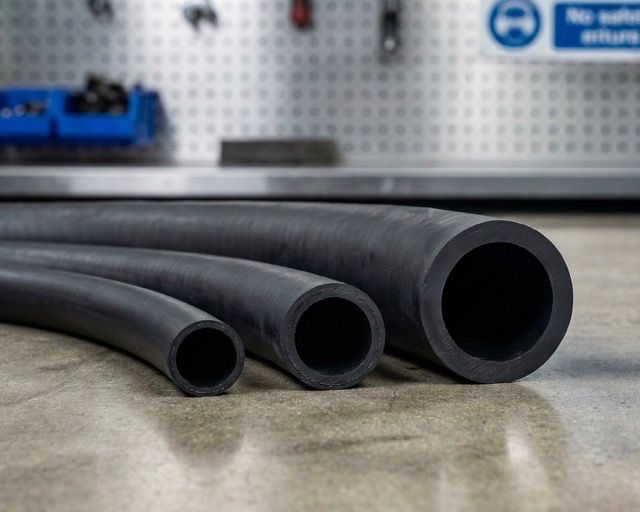
Thickness

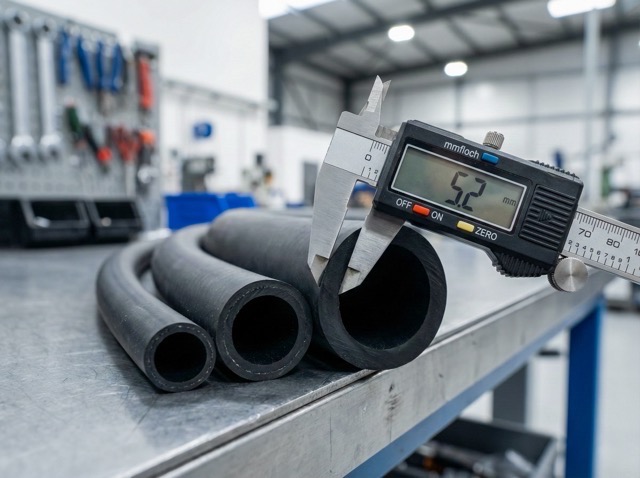
Wall thickness can be adapted to achieve the desired balance of flexibility and durability.
Inner Diameter

The inner diameter of the hose affects airflow and water circulation. AeroFlux hoses can reach up to 10 cm for large-scale applications.
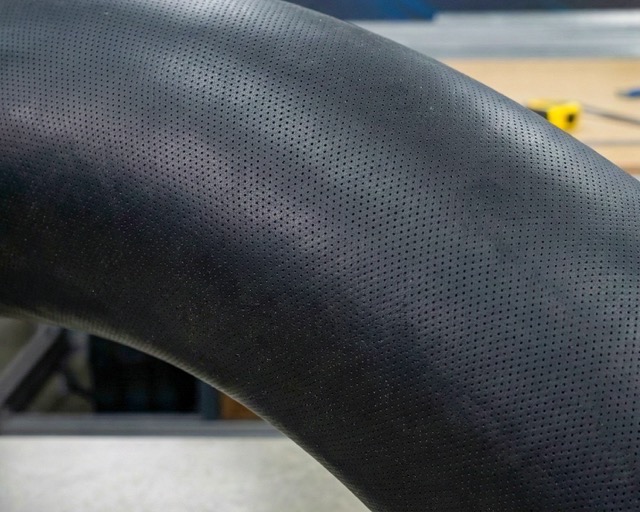
Aperture intervals

Customize aperture spacing and density to match environmental conditions and specific aeration needs.
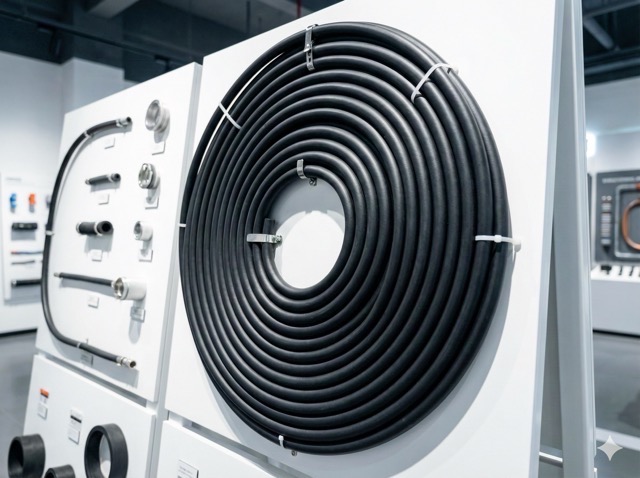
Shape

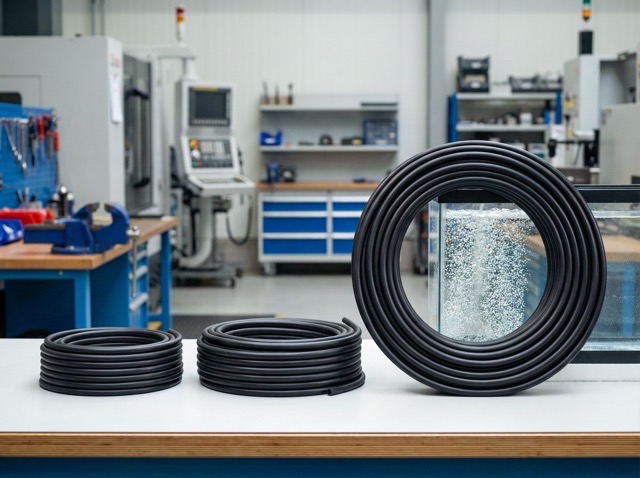
Beyond linear tubes, AeroFlux hoses can be coiled into spirals up to 3 m in diameter for disc-style aeration setups.
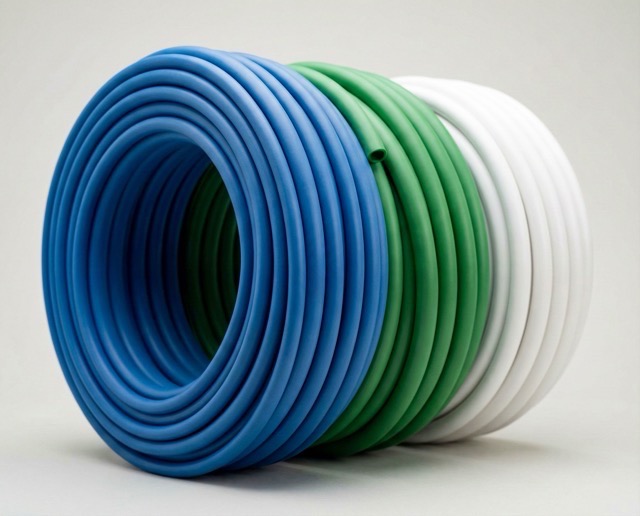
Color

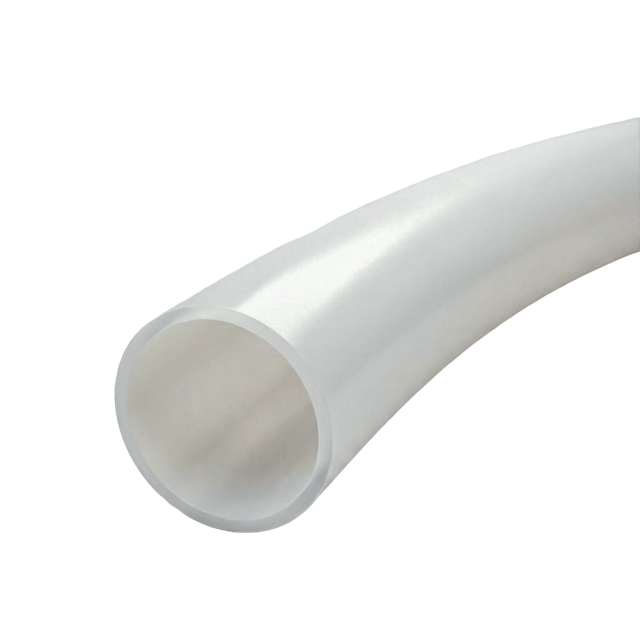
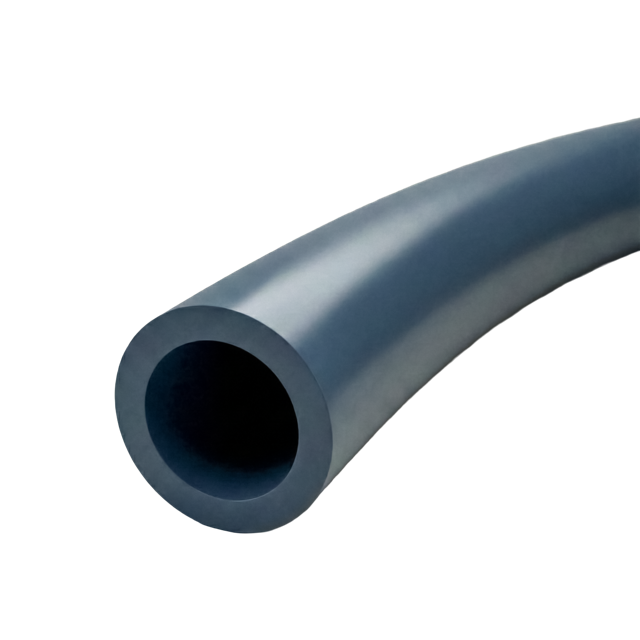
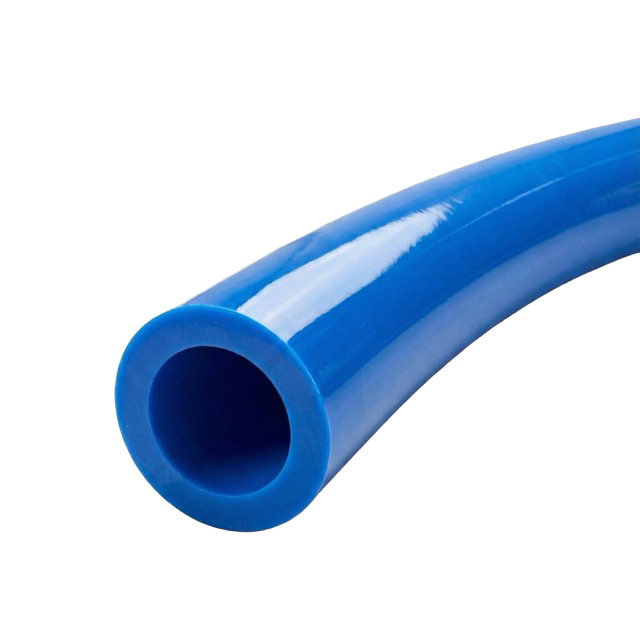
Beside standard black color, we can produce hoses in white, grey, blue, green, or transparent to meet aesthetic requirements.
Hose Reinforcement

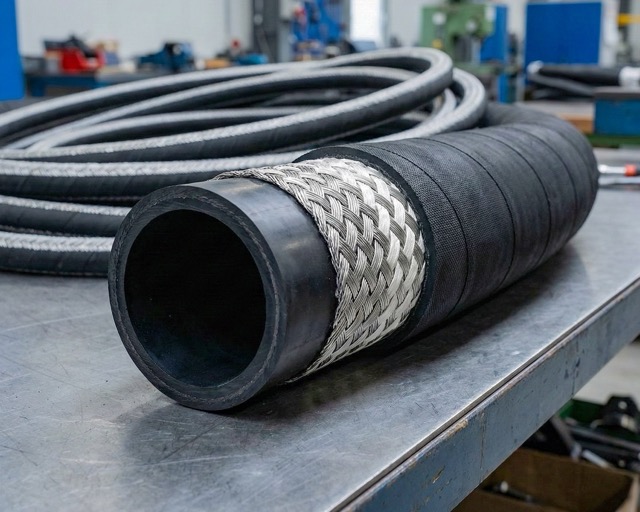
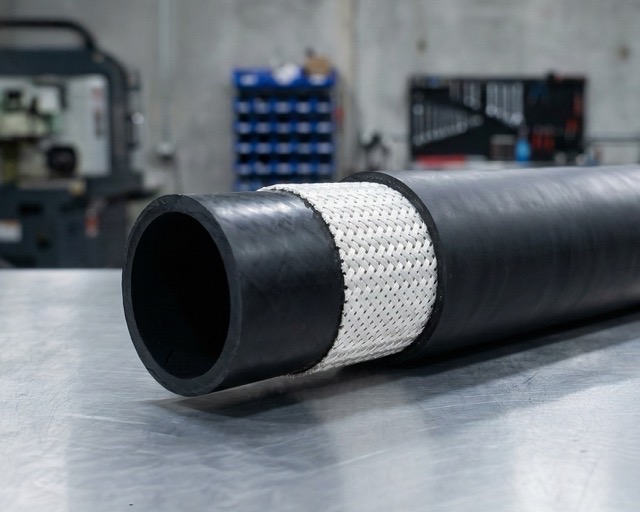
For heavy-duty uses, hoses can include braided textile or steel layers for pressure resistance and shape retention.
Build Smarter Aeration Systems Together For a Greener Future